
How to prevent forklift accidents: 7 practical tips for a safer site
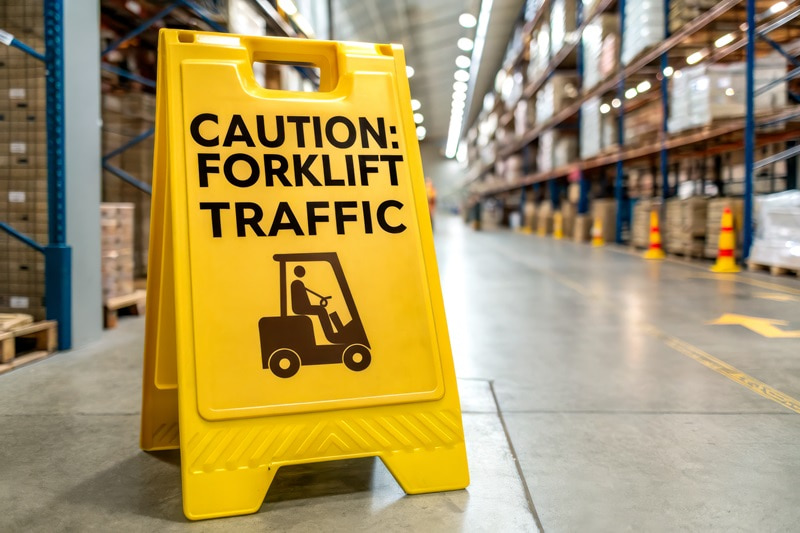
Forklifts are a big part of day-to-day life in warehouses and industrial spaces, but they’re also one of the most common causes of serious workplace accidents. According to the Health and Safety Executive (HSE), forklift accident statistics show lift truck incidents are a leading cause of major injuries at work, often involving pedestrians or tipping trucks.
The good news is these accidents can often be easy to prevent. With the right forklift safety protocols in place, from proper forklift operator training to daily checks and smart warehouse layout, you can protect your team and stay compliant with regulations like LOLER and PUWER.

How to prevent forklift accidents
1. Know what causes forklift accidents
Before you can stop accidents from happening, it helps to know what causes them. The most common issues include:
- Poor visibility for the driver
- Overloading or badly stacked pallets
- Slippery or cluttered floors
- Untrained or tired drivers
- Forklifts that haven’t been properly maintained
Quite often, it’s a mix of things. For example, a poorly stacked load and a narrow aisle could be all it takes to tip a forklift over. Spotting these risks early makes a huge difference when it comes to warehouse accident prevention.
2. Make sure drivers have forklift operator training
In the UK, every forklift operator needs to have proper training. But sticking to the bare minimum isn’t always enough. Regular refresher training and quick on-site safety talks help keep things fresh and reinforce good habits.
It’s also important to tailor forklift safety training to your actual site. Every warehouse is different, from the layout and lighting to the type of forklifts you use. A new starter might be fully trained but still unfamiliar with your setup.
At Moorgate, we offer practical, down-to-earth forklift training that suits your space, your trucks and your team.

3. Do a forklift pre-operation inspection checklist
Daily walkaround checks are one of the simplest ways to prevent faults and hazards. They don’t take long, but they go a long way in preventing forklift injuries.
Here’s a quick forklift safety checklist:
- Brakes, steering and lights
- Tyres – look for damage or low pressure
- Forks and mast – make sure everything’s in good condition
- Fluid levels – including fuel, oil and hydraulics
- Seatbelt, mirrors and warning signals
If something doesn’t look right, it’s always better to flag it and get it sorted before someone gets hurt. And keeping a quick log helps with maintenance and shows you’re meeting HSE forklift requirements.
4. Keep the warehouse tidy and well laid out
A tidy, well-organised warehouse is a much safer place to work. Keep aisles clear, fix damaged floor markings and make sure signs are easy to see. Speed limits, mirrors and one-way systems can help reduce collisions, especially where forklifts and people share space.
It’s also worth creating proper walkways for pedestrians with painted lines or safety barriers. That way, drivers have a clear route, and people know where to walk without getting too close to moving trucks.
Take time to walk the space now and then and look at it with fresh eyes, or better yet, ask your team what could be improved. They know where the tight corners and blind spots are.
Check out our top tips for warehouse safety
5. Look after your forklifts
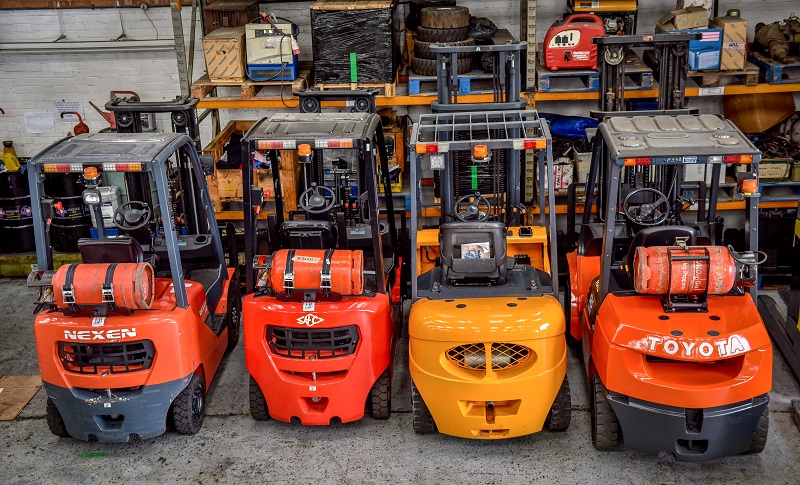
A forklift that’s not working properly can be dangerous. That’s why it’s so important to stay on top of maintenance and make sure you’re only hiring or buying from suppliers who take safety seriously.
At Moorgate, we give every forklift a full check and service before it leaves the yard, so you know it’s safe and ready to go. We also offer regular servicing to help you keep your fleet in top condition.
Older forklifts without modern safety features can be harder to manage, especially in busy environments. If your trucks are looking a bit tired, it might be time for an upgrade.
6. Make sure drivers can see properly
Plenty of forklift accidents happen because the driver simply couldn’t see. That might be down to blind spots, poor lighting or an oversized load.
There are a few easy ways to improve this:
- Add mirrors or reversing cameras
- Use reversing alarms or flashing lights
- Improve lighting in darker areas
- Add reflective tape or floor markings
If your site has outdoor areas, don’t forget to think about things like fog, rain or low winter light. Extra floodlights or heated mirrors can help during the colder months.

7. Encourage a culture of workplace forklift safety
Safety isn’t just about checklists, it’s about encouraging a safety-first mindset. Everyone on your team should feel confident speaking up if something doesn’t feel right.
Here are a few ways to build that kind of culture:
- Reward safe behaviour and good habits
- Make it easy to report near-misses or concerns
- Keep rules visible and easy to understand
- Listen to feedback and involve your team in safety decisions
Even small changes like tracking your accident-free days or sharing quick reminders in team meetings can help keep everyone switched on and aware.
Talk to Moorgate about safer forklift solutions
We’ve been helping businesses create safer working environments for over 30 years. From expert training and reliable hire options to regular maintenance and support, we’re here to help you keep things running smoothly and safely.
Want to reduce forklift accidents in your warehouse? Get in touch with the Moorgate team today.


